
You can become a model for clothing brands. Social media has made breaking into the fashion industry easier than ever. Traditional agencies and exclusive casting calls once dominated the modeling world. Now, anyone with a smartphone and ambition can model for a brand by showing their talent, attracting followers, and getting brand deals.
For aspiring models and young adults, social media is key to success in fashion. It’s not a tool—it’s a gateway. This article shows how to use Instagram, TikTok, and YouTube to become a model for clothing brands. We’ll cover building your brand, engaging followers, and securing partnerships. Let’s dive into how you can achieve your dream of being the face of a clothing line.
What is a Model for Clothing Brands?

A model for clothing brands represents the style, essence, and values of a fashion label. These models bring clothes to life through photos, runway shows, and social media ads. Unlike traditional runway models, clothing brand models are the faces of catalogs and e-commerce sites. Runway models focus on fashion shows and high-fashion editorials.
How Social Media Has Changed Modeling
Previously, only those who could attend casting calls, book agencies, or live in fashion hubs like New York or Paris could become models. Social media has disrupted these limitations. Today, you can live anywhere and still catch the attention of clothing brands that need models. Platforms like Instagram are now digital portfolios. They let models show their talent to a global audience.
The Role of a Social Media Model for Clothing Brands
Brands now look for models who can connect with their audience personally. “Influencer models” are relatable people who inspire their followers. They are perfect for authentically promoting clothing lines. Social media lets you be discovered without an agent. It levels the playing field for anyone who dreams of modeling for fashion brands.
The Evolving Role of Social Media in Fashion Modeling
Social media’s impact on the modeling industry is profound. Platforms like Instagram, TikTok, and YouTube have created new pathways for aspiring models, allowing them to:
- Act as Content Creators: Many clothing brands now prefer independent models who can produce high-quality content.
- Be Relatable: Today’s fashion consumers value authenticity, favoring real people over unattainable ideals.
- Expand Representation: Brands want diverse models to represent their audiences, offering more opportunities for people of all backgrounds.
Social Media vs. Traditional Modeling
| Aspect | Social Media Modeling | Traditional Modeling |
|---|---|---|
| Accessibility | Open to anyone with a smartphone | Requires agency representation |
| Entry Cost | Minimal (free social media accounts) | Professional portfolios and travel |
| Engagement | Direct interaction with audience | Limited audience engagement |
| Diversity | Welcomes all shapes, sizes, and looks | Historically restrictive |
A table comparing traditional modeling pathways to modern social media-driven approaches.
Benefits of Using Social Media to Become a Model for Clothing Brands
Why is social media such a game-changer for aspiring models? Here are the key benefits.
Increased Visibility and Accessibility
Social media platforms give you a global audience. Whether in a big city or a small town, your content can reach clothing brands that need models. This new access has helped many people enter the industry.
Fact
A 2023 study showed that over 80% of clothing brands now scout for models online. Model Bella Hadid gained early fame on Instagram. Her unique look caught the attention of designers and agencies.
Building a Personal Brand and Authentic Image
Social media lets you show your style and personality. It makes you more than a face. Brands seek models who align with their image and values. For example:
- An eco-conscious clothing line might prefer a model who shares content about sustainability.
- A streetwear brand might seek someone with an edgy, urban aesthetic.
Your brand becomes your calling card, making it easier for brands to see if you’re the right fit.
Quick Tips for Branding:
- Define your niche (e.g., high fashion, streetwear, activewear).
- Create a consistent aesthetic across your photos.
- Share personal stories that connect with your audience.
Engaging with Followers to Attract Brand Attention
Engagement is more important than follower count. Brands want to work with models who have loyal, engaged communities. This means replying to comments, joining trends, and engaging with your audience.
Pro Tip
Use Instagram Stories and TikTok trends to showcase your personality. Brands often check these for potential collaborations.
Direct Access to Brand Partnerships
Social media removes the middleman. It allows direct access to clothing brands. You can tag brands in posts, join their challenges, and DM them to show your portfolio.
Aerie’s #AerieREAL campaign encouraged people to post photos of themselves in their clothes, which led to brand ambassador roles for some participants.
How to Start Building a Social Media Presence to Become a Model for Clothing Brands
Establishing a strong social media presence is essential for aspiring models. Here’s how to do it effectively.
Choosing the Right Platform
Each platform has its strengths:
- Instagram: Great for curating a visual portfolio.
- TikTok: Ideal for showcasing personality and creativity.
- YouTube: Perfect for in-depth content like vlogs and tutorials.
Pro Tip
Start with one or two platforms and master them before expanding.
Optimizing Your Profile as a Model for Clothing Brands
Your profile is your digital business card. Here’s how to make it stand out:
- Use a high-quality profile photo that reflects your aesthetic.
- Write a bio that highlights your interests, style, and contact information.
- Add a link to your portfolio or other social media accounts.
Developing Consistent Aesthetic as a Model for Clothing Brands
Consistency is key to building a recognizable brand. Choose a color palette, tone, and posting style that reflects your niche.
Example
If you’re modeling for fashion brands that focus on minimalism, your feed should feature clean, neutral tones with simple backgrounds.
Engaging with Your Audience
Interaction builds loyalty. Respond to comments, participate in Q&A sessions, and ask for feedback. High engagement signals to brands that you’re influential and relatable.
Tagging Brands and Using Paid Promotions
Tagging brands in your posts increases your visibility. Combine this with relevant hashtags like #ModelNeededForClothingLine or #ModelForFashionBrands to improve discoverability.
Common Misconceptions About Becoming a Model for Clothing Brands

Let’s address some myths that hold many aspiring models back.
“You Need Thousands of Followers to Get Noticed.”
Not true. Many brands prefer micro-influencers because their audiences tend to be more engaged.
“Only Professional Photos Are Effective.”
While professional photos are valuable, many brands appreciate natural, relatable content created on smartphones.
“You Need to Be on Every Social Media Platform”
Focus on quality over quantity. Choose the platforms where your target audience and brands are most active.
Pros and Cons of Using Social Media to Become a Model for Clothing Brands
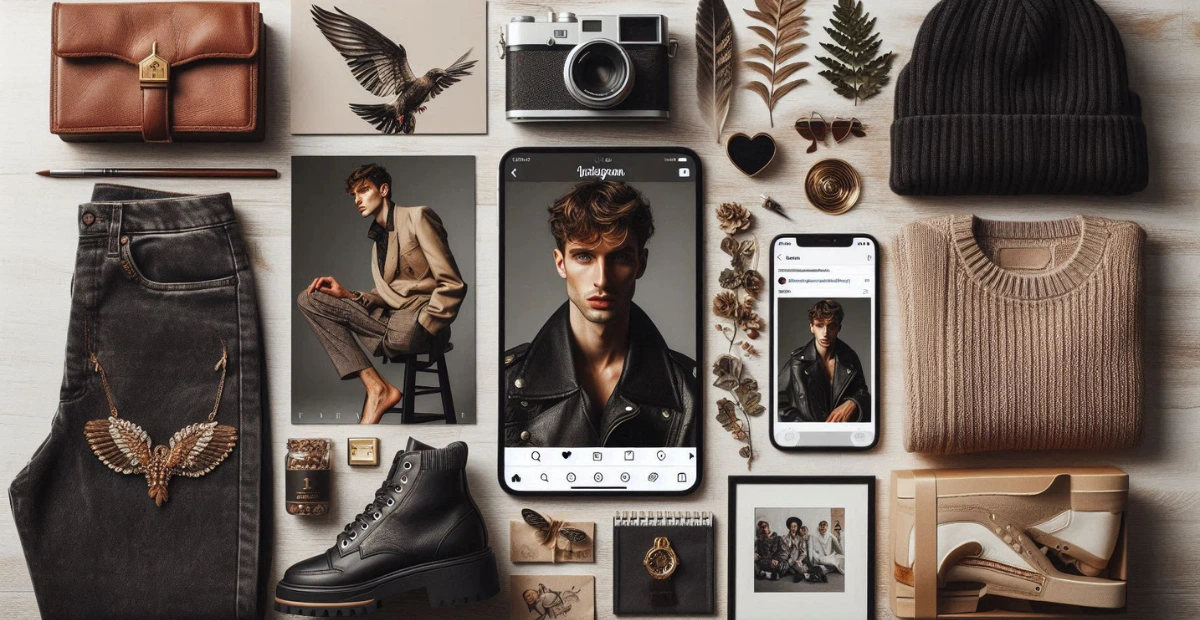
Understanding the advantages and challenges can help you navigate the industry more effectively.
Pros
- Global Reach: You can connect with brands anywhere in the world.
- Creative Freedom: Control how you present yourself.
- Low Barrier to Entry: Start with a smartphone and creativity.
Cons
- High Competition: The industry is saturated with aspiring models.
- Time-intensive: Maintaining an active social media presence requires consistent effort.
Become a Model for Brands Frequently Asked Questions (FAQs)
Can I be a model for Shein?
Yes. Tag Shein in your posts, use branded hashtags like #SHEINmodel, and showcase their outfits to increase your chances of being noticed.
How do I find models for my clothing brand?
Use social media to scout talent, and look for hashtags like #ModelNeededForClothingLine and #ModelForFashionBrands. Posting casting calls can also attract potential models.
Do clothing models get paid?
Yes, payment depends on the brand and project. Rates can range from free products for beginner collaborations to significant fees for major campaigns.
How to start modeling?
Create a portfolio, choose a niche, and establish a strong social media presence. Network with photographers and brands, and look for casting opportunities.
How to reach out to brands as a model?
Send professional messages via email or direct messages, introducing yourself and sharing your portfolio. Be concise and polite.
Conclusion
Social media has revolutionized the modeling industry, creating opportunities for aspiring models to build careers without traditional gatekeepers. You can turn your modeling dreams into reality by crafting a strong online presence, engaging with your audience, and tagging relevant clothing brands.
Ready to start? Post your first outfit photo today, tag your favorite brand, and see where it leads. You could be the next model for fashion brands!
Related Posts
What Does It Really Mean to Be a Model?